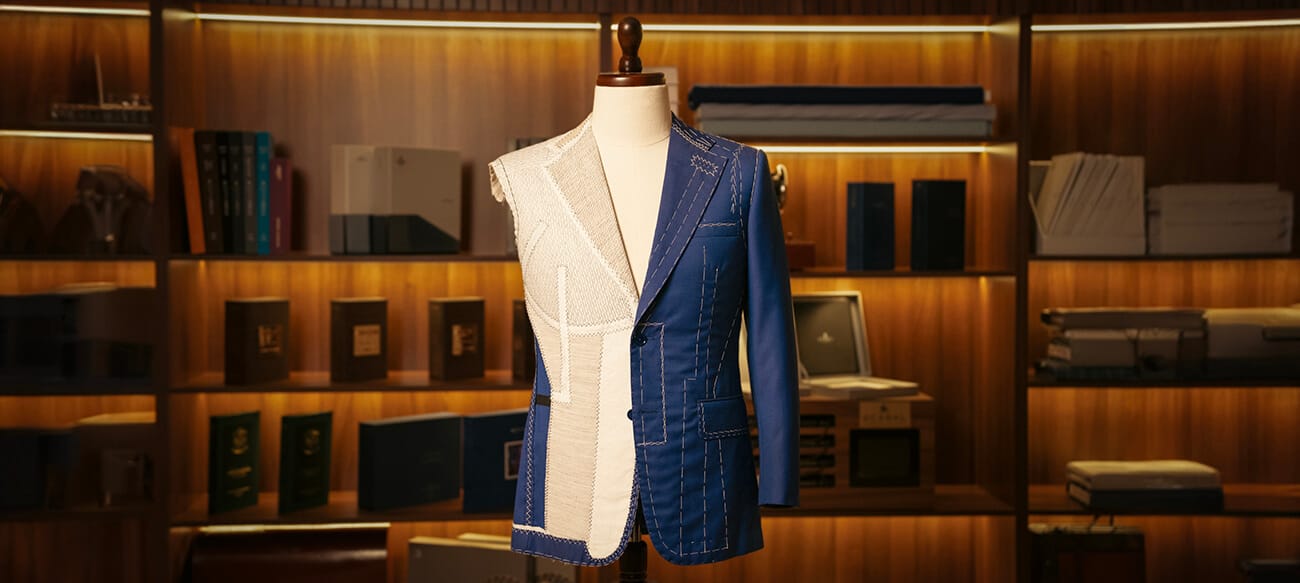
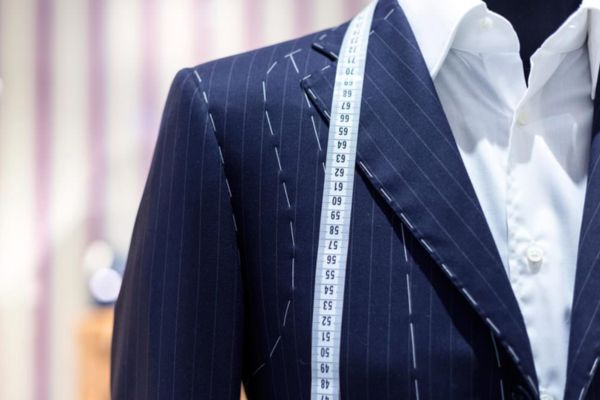
Looking for the best bespoke tailor suit shop in Kathmandu? Whether you’re a business professional, a groom preparing for your wedding, or a traveler visiting Nepal, investing in a bespoke suit is one of the best decisions you can make. A custom-made suit is not just clothing—it is a reflection of your personality, confidence, and attention to detail.
Kathmandu has become one of South Asia’s most attractive destinations for custom tailoring. Skilled craftsmanship, competitive pricing, and a long tradition of tailoring have made the city a preferred choice for local professionals, diplomats, entrepreneurs, and international visitors seeking premium custom clothing.
At The Designer Tailors, we have been creating handcrafted bespoke suits since 1980. Every garment is designed around the individual who will wear it. Instead of altering a ready-made suit, we build each piece from the ground up using your measurements, your posture, your preferences, and your lifestyle.
Whether you need a business suit, wedding suit, tuxedo, blazer, formal trousers, waistcoat, or a complete wardrobe, our goal is simple:
To create clothing that fits perfectly, looks elegant, and lasts for years.
Why This Guide Matters
Choosing a tailor is a long-term decision. A well-made bespoke suit can remain part of your wardrobe for many years, while a poorly fitted suit may never feel comfortable no matter how expensive the fabric is.
Many people search online for:
- Best tailor in Kathmandu
- Bespoke suit Kathmandu
- Custom tailor near me
- Suit tailor in Nepal
- Wedding suit tailor
- Tailor near Thamel
- Best suit shop in Kathmandu
The challenge is that many websites provide only basic information. They rarely explain what truly separates an exceptional bespoke tailor from an average tailoring shop.
This guide is different.
Instead of focusing only on selling suits, we explain the complete bespoke tailoring process, what to look for in a professional tailor, how to choose fabrics, how pricing works, common mistakes to avoid, and why investing in custom tailoring delivers better value over time.
Our aim is to help you make an informed decision before ordering your next suit.
What Is a Bespoke Suit?
The word “bespoke” means something made specifically for one individual.
A bespoke suit is created entirely from scratch using your exact body measurements, posture, shoulder slope, arm position, chest shape, waist, hips, and personal style preferences.
Unlike ready-made clothing, no standard-size template is used.
Instead, the process begins with a blank pattern designed exclusively for you.
This allows the tailor to create a garment that:
- Fits naturally
- Moves comfortably
- Enhances your body shape
- Reflects your personal style
- Provides long-term durability
A bespoke suit is not simply clothing—it is handcrafted precision.
Bespoke vs Made-to-Measure vs Ready-Made
Many customers confuse these three terms. Understanding the difference helps you choose the right option for your needs.
| Feature | Ready-Made | Made-to-Measure | Bespoke |
|---|---|---|---|
| Standard Sizes | ✔ | Modified | ✘ |
| Custom Measurements | Limited | Partial | Complete |
| Individual Pattern | ✘ | Adjusted | ✔ |
| Fabric Selection | Limited | Wide | Extensive |
| Personal Design Choices | Limited | Moderate | Complete |
| Sleeve & Shoulder Balance | Basic | Improved | Fully Customized |
| Fit Quality | Average | Very Good | Exceptional |
| Long-Term Comfort | Moderate | Good | Excellent |
If you want the highest level of craftsmanship and fit, bespoke tailoring remains the gold standard.
Why Kathmandu Is Becoming a Destination for Bespoke Tailoring
Over the past decade, Kathmandu has attracted increasing numbers of visitors looking for high-quality custom clothing.
Several factors contribute to this growing reputation:
Experienced Tailors
Nepal has a strong tradition of skilled tailoring. Many master tailors have decades of experience working with formal garments.
Excellent Value
Customers often receive premium craftsmanship at a price that is significantly lower than in many Western countries, without compromising on quality.
Personalized Service
Unlike mass-production clothing stores, bespoke tailoring allows direct communication with experienced craftsmen throughout the process.
Flexible Design Options
Clients can choose every detail, including:
- Lapel style
- Button configuration
- Pocket design
- Lining
- Stitching
- Fabric weight
- Fit preference
- Monogramming
- Button materials
This level of personalization is rarely available with off-the-rack suits.
Why The Designer Tailors Has Earned Customer Trust Since 1980
Tailoring is built on reputation.
A customer trusts a tailor with one of the most important garments they will ever own—whether it is for a wedding, an important business meeting, graduation, or a special celebration.
Since 1980, The Designer Tailors has focused on three principles:
1. Precision Before Speed
Every measurement is taken carefully because even a small inaccuracy can affect the final fit.
2. Craftsmanship Before Quantity
Rather than producing garments in large volumes, our attention remains on quality, finishing, and customer satisfaction.
3. Relationships Before Sales
Many of our clients return for additional suits because they value consistent quality, honest advice, and dependable service.
For us, tailoring is not simply stitching fabric together—it is building confidence through clothing.
Our Bespoke Philosophy
Every person has a unique body.
Every profession has different clothing requirements.
Every wedding has its own style.
Every traveler has different expectations.
Because of this, we believe no two suits should ever be identical.
Our bespoke philosophy is built around understanding the individual before designing the garment.
From your first consultation to the final fitting, every decision is made with one goal:
Creating a suit that feels as though it was made only for you—because it was.
What You’ll Learn in This Guide
In the following sections, we’ll explore:
- How a bespoke suit is made from start to finish
- How to choose the best suit fabric
- Business suits vs wedding suits
- How long bespoke tailoring takes
- How much a bespoke suit costs in Kathmandu
- Common tailoring mistakes to avoid
- Style recommendations for different body types
- How international travelers can order suits during their visit
- Caring for a bespoke suit
- Frequently asked questions
- Expert tips from experienced tailors
By the end of this guide, you’ll understand exactly what makes a truly exceptional bespoke suit—and how to choose a tailor with confidence.
The Complete Bespoke Tailoring Process: From Consultation to the Perfect Suit
One of the biggest advantages of choosing a bespoke suit is that every stage is tailored to you. Unlike ready-made clothing, where you select the closest available size, bespoke tailoring begins with understanding your body, your purpose, and your personal style.
At The Designer Tailors, our tailoring process has been refined through more than four decades of experience. Every suit is carefully planned, measured, crafted, and finished to achieve a balance of comfort, elegance, and durability.
Step 1: Personal Style Consultation
Every bespoke suit begins with a conversation.
Before taking measurements, we discuss your requirements, including:
- The purpose of the suit (business, wedding, formal event, travel, or everyday wear)
- Your preferred fit (classic, modern, or slim)
- Your preferred colors and patterns
- Your budget
- Your timeline
- Your lifestyle and how often you plan to wear the suit
This consultation allows us to recommend the most suitable fabric, construction, and design.
Step 2: Choosing the Right Fabric
The fabric is the foundation of every bespoke suit. It affects comfort, appearance, durability, and how the suit performs in different climates.
We offer a carefully selected range of fabrics, including:
- 100% Wool
- Wool Blends
- Stretch Suiting
- Linen
- Cotton
- Premium Imported Fabrics
- Luxury Wedding Fabrics
Each fabric is chosen for its quality, texture, and long-term performance.
Our team also helps you choose the appropriate fabric weight based on Kathmandu’s climate or your travel destination.
Step 3: Taking Precise Measurements
A bespoke suit is only as good as its measurements.
Instead of relying on standard sizes, we record detailed measurements of your body, including:
- Neck
- Shoulders
- Chest
- Waist
- Hips
- Sleeve length
- Arm posture
- Jacket length
- Trouser rise
- Inseam
- Outseam
- Thigh
- Knee
- Calf
We also observe your natural posture, shoulder balance, and stance. These details help create a suit that feels comfortable while standing, sitting, and walking.
Step 4: Creating a Unique Pattern
Unlike ready-made garments, bespoke tailoring starts with an individual paper pattern created specifically for you.
This pattern becomes the blueprint for your garment.
Because every customer has different proportions, creating a unique pattern ensures better balance, cleaner lines, and a more natural fit.
Step 5: Precision Cutting
Once the pattern is finalized, the selected fabric is carefully marked and cut.
Accurate cutting is one of the most important stages in bespoke tailoring. Even a small error can affect the overall fit and appearance of the finished suit.
Experienced craftsmen ensure that every panel aligns correctly to maintain symmetry and precision.
Step 6: Skilled Tailoring
After cutting, the garment is assembled with close attention to every detail.
This includes:
- Jacket construction
- Collar shaping
- Lapel formation
- Pocket placement
- Sleeve attachment
- Trouser assembly
- Lining installation
- Button placement
- Finishing touches
Every stitch contributes to the final quality of the garment.
Step 7: Fitting and Adjustments
One of the defining features of bespoke tailoring is the fitting process.
During the fitting, we evaluate:
- Shoulder balance
- Sleeve length
- Jacket drape
- Chest comfort
- Waist suppression
- Trouser break
- Overall proportion
If adjustments are needed, they are made before the garment is completed. This ensures the final suit fits naturally and comfortably.
Step 8: Final Inspection
Before delivery, every suit undergoes a detailed quality inspection.
We check:
- Stitch consistency
- Button security
- Lining finish
- Pressing quality
- Symmetry
- Overall appearance
Only after meeting our quality standards is the suit prepared for collection.
What Makes a High-Quality Bespoke Suit?
A premium bespoke suit is not defined by price alone. It is defined by craftsmanship, precision, and attention to detail.
Here are some characteristics of a well-made bespoke suit:
- Clean and balanced shoulders
- Smooth lapel roll
- Comfortable movement
- Accurate sleeve length
- Well-shaped collar
- Proper trouser break
- Strong stitching
- High-quality lining
- Durable buttons
- Balanced proportions
These small details create a noticeable difference in both appearance and comfort.
Common Mistakes People Make When Choosing a Tailor
Selecting the right tailor is just as important as choosing the right fabric.
Here are some common mistakes to avoid:
Choosing Based Only on Price
The cheapest option is not always the best value. A poorly fitted suit may require repeated alterations or replacement.
Ignoring Experience
Tailoring is a skill developed over years of practice. Look for a tailor with a proven history of creating bespoke garments.
Not Asking About Fabrics
Different fabrics perform differently depending on climate, occasion, and frequency of use.
Rushing the Process
A quality bespoke suit takes time. Allow enough time for measurements, tailoring, and fittings.
Overlooking Communication
A professional tailor listens carefully to your requirements and explains available options before starting work.
Why a Bespoke Suit Is a Long-Term Investment
A bespoke suit is more than clothing—it is an investment in quality, confidence, and comfort.
Because it is made specifically for your body, it typically offers:
- Better fit
- Greater comfort
- Timeless style
- Improved durability
- Easier future alterations
- Better value over years of use
Many clients find that a well-made bespoke suit becomes one of the most frequently worn and appreciated garments in their wardrobe.
How to Choose the Best Fabric for a Bespoke Suit
A bespoke suit is only as good as the fabric used to create it. Even the most experienced tailor cannot produce an exceptional suit from poor-quality material, while a carefully selected premium fabric can elevate both the appearance and comfort of the final garment.
Choosing the right fabric is one of the most important decisions in the bespoke tailoring process. The ideal fabric depends on your lifestyle, the occasion, Kathmandu’s climate, and how frequently you plan to wear the suit.
At The Designer Tailors, we guide every client through this selection process to ensure their suit not only looks elegant on the day it is made but continues to perform beautifully for years.
Why Fabric Quality Matters
The fabric influences nearly every aspect of your suit, including:
- Overall appearance
- Comfort throughout the day
- Breathability
- Durability
- Wrinkle resistance
- Drape and silhouette
- Weight
- Warmth
- Ease of maintenance
A premium fabric feels better, lasts longer, and maintains its shape with proper care.
Understanding Suit Fabrics
1. Wool – The Gold Standard for Bespoke Suits
Wool is the most popular fabric for bespoke suits because it offers an excellent balance of comfort, durability, and elegance.
Benefits of Wool
- Naturally breathable
- Excellent drape
- Comfortable in different seasons
- Wrinkle resistant
- Long-lasting
- Suitable for business and formal occasions
A well-made wool suit can serve as your everyday professional wardrobe while remaining refined enough for weddings and special events.
Best for:
- Business professionals
- Executives
- Weddings
- Formal events
- Daily office wear
2. Linen – Perfect for Summer
Linen is lightweight and highly breathable, making it an excellent choice for warmer weather.
Benefits of Linen
- Extremely breathable
- Lightweight
- Comfortable in hot climates
- Relaxed, elegant appearance
Although linen wrinkles more easily than wool, many people appreciate its natural texture and casual sophistication.
Best for:
- Summer weddings
- Beach weddings
- Resort wear
- Travel
- Casual formal occasions
3. Cotton – Comfortable and Versatile
Cotton suits offer a balance between casual and formal wear.
Benefits
- Soft feel
- Breathable
- Easy to wear
- Comfortable for daily use
Cotton is ideal for professionals who want a smart appearance without the formality of traditional wool.
4. Stretch Fabrics – Modern Comfort
Stretch suiting fabrics combine traditional tailoring with added flexibility.
They are particularly suitable for clients who travel frequently or spend long hours sitting.
Benefits include:
- Greater freedom of movement
- Increased comfort
- Better wrinkle recovery
- Modern slim-fit appearance
Understanding “Super” Wool Numbers
Many customers see labels such as:
- Super 100s
- Super 120s
- Super 150s
These numbers refer to the fineness of the wool fibers—not the thickness of the fabric.
Super 100s
- Durable
- Excellent everyday choice
- Great value
Super 120s
- Softer feel
- Better drape
- Popular for business suits
Super 150s
- Luxurious texture
- Very smooth finish
- Ideal for special occasions
- Requires more careful maintenance
For most professionals, Super 100s or Super 120s provide the best balance between elegance and durability.
Choosing Fabric by Occasion
Business Suits
Recommended fabrics:
- Wool
- Wool blends
- Stretch wool
Recommended colors:
- Navy
- Charcoal
- Medium Grey
- Dark Blue
These colors are versatile, professional, and easy to pair with different shirts and ties.
Wedding Suits
Wedding attire allows more creativity.
Popular options include:
- Premium wool
- Luxury blends
- Velvet accents (for tuxedos)
- Textured fabrics
Popular colors:
- Black
- Midnight Blue
- Ivory
- Deep Green
- Burgundy
- Light Beige (daytime weddings)
Tuxedos
A tuxedo requires fabrics with a refined finish.
Common choices include:
- Fine wool
- Wool-mohair blends
- Satin lapels
- Premium lining
A well-crafted tuxedo should appear timeless rather than trendy.
Fabric Weight Explained (GSM Guide)
Fabric weight is often measured in grams per square metre (GSM). The right weight depends on the season and how you plan to use the suit.
| Fabric Weight | Best Use |
|---|---|
| 220–250 GSM | Hot weather and summer |
| 250–280 GSM | All-season wear |
| 280–320 GSM | Business and year-round use |
| 320–380 GSM | Cooler months and structured suits |
| 380+ GSM | Winter and heavy formal garments |
For Kathmandu’s climate, many clients prefer fabrics between 250 and 300 GSM because they provide a comfortable balance of breathability and structure.
Pattern Selection
Beyond fabric quality, the pattern also affects the personality of your suit.
Solid
Timeless and versatile.
Ideal for business, interviews, and formal events.
Pinstripe
Professional and elegant.
A popular choice among executives and business leaders.
Check
Modern and stylish.
Suitable for smart casual wear and fashion-conscious professionals.
Herringbone
Classic texture with understated sophistication.
Perfect for autumn and winter wardrobes.
Choosing the Right Colour
If you are purchasing your first bespoke suit, focus on versatility.
Navy Blue
The most versatile option for business, weddings, and formal occasions.
Charcoal Grey
Professional and timeless.
Suitable for office wear and evening events.
Black
Best reserved for tuxedos, formal ceremonies, and evening occasions.
Light Grey
A modern option for daytime functions and warmer seasons.
Beige
Ideal for destination weddings and summer events.
Caring for Premium Suit Fabrics
A bespoke suit is an investment, and proper care helps it last for many years.
We recommend:
- Use a quality wooden hanger to maintain the jacket’s shape.
- Brush the suit gently after wearing to remove dust.
- Allow the suit to rest between wears.
- Steam lightly instead of frequent ironing.
- Dry clean only when necessary.
- Store in a breathable garment bag rather than plastic.
With regular care, a well-made bespoke suit can retain its appearance and comfort for a long time.
Expert Advice from Our Tailors
One of the most common mistakes we see is choosing fabric based only on appearance.
A fabric that looks impressive in the showroom may not be the best choice for your daily routine or the local climate.
We encourage clients to consider:
- How often the suit will be worn
- The weather conditions
- The level of maintenance they are comfortable with
- The occasions for which the suit is intended
Selecting the right fabric at the beginning ensures the finished garment delivers the comfort, durability, and style you expect from a bespoke suit.
How to Choose the Best Bespoke Tailor in Kathmandu: 21 Expert Checks Before Ordering Your Suit
Choosing the right tailor is just as important as choosing the right fabric. A bespoke suit is a personal investment, and the quality of the tailor’s work determines how the suit will look, feel, and last over time.
Kathmandu is home to many tailoring shops, but not all offer the same level of craftsmanship. Before placing your order, use this practical checklist to evaluate any bespoke tailor.
1. Ask How Long the Tailor Has Been in Business
Experience matters in bespoke tailoring. A tailor who has spent years refining their craft is more likely to understand body proportions, fabric behavior, and garment construction.
Look for a tailor with a proven history of serving clients consistently over many years.
2. Check Real Customer Reviews
Read reviews carefully instead of focusing only on the star rating.
Look for comments about:
- Fit
- Craftsmanship
- Communication
- Delivery time
- After-sales service
- Consistency
Detailed reviews usually provide more useful information than short one-line comments.
3. Look at Finished Suits, Not Just Fabric Samples
Ask to see completed garments.
Pay attention to:
- Shoulder shape
- Collar fit
- Sleeve balance
- Lapels
- Pocket alignment
- Overall finishing
A finished suit reveals far more about craftsmanship than fabric swatches.
4. Evaluate the Consultation
A professional tailor asks questions before recommending anything.
You should be asked about:
- Purpose of the suit
- Budget
- Preferred fit
- Occupation
- Climate
- Travel plans
- Personal style
Good tailoring begins with listening.
5. Understand the Measurement Process
A proper bespoke fitting takes time.
If measurements are completed in only a few minutes, important details may be overlooked.
A skilled tailor measures not only your body but also observes posture, shoulder balance, and natural stance.
6. Ask Whether Patterns Are Created for Each Customer
True bespoke tailoring involves creating an individual pattern.
If only a standard size is adjusted, the garment is closer to made-to-measure than bespoke.
7. Examine Stitch Quality
Look closely at:
- Straight stitching
- Even spacing
- Secure seams
- Clean edges
- Neatly finished lining
These details indicate care and precision.
8. Inspect the Collar
The collar should rest comfortably against the neck without gaps or pulling.
A poorly fitted collar affects the appearance of the entire jacket.
9. Check the Shoulders
Well-balanced shoulders create a clean silhouette.
There should be no wrinkles, dents, or excess padding.
10. Look at the Sleeve Length
The jacket sleeve should allow a small portion of the shirt cuff to remain visible.
Proper sleeve length contributes significantly to an elegant appearance.
11. Review the Trouser Fit
Good trousers should:
- Sit comfortably at the waist
- Fall cleanly over the shoes
- Allow natural movement
- Avoid excessive bunching
12. Discuss Fabric Options
A professional tailor explains the advantages and limitations of different fabrics rather than recommending the most expensive option.
Ask about:
- Wool
- Linen
- Cotton
- Stretch fabrics
- Seasonal suitability
- Fabric care
13. Ask About Customization
A bespoke suit should offer choices such as:
- Lapel style
- Button arrangement
- Pocket style
- Vent style
- Lining colour
- Button materials
- Monogramming
These details help create a garment that reflects your personal taste.
14. Confirm the Number of Fittings
Most bespoke suits benefit from at least one fitting before final completion.
Fittings allow adjustments that improve comfort and balance.
15. Understand the Delivery Timeline
Quality tailoring requires time.
Ask for a realistic delivery schedule rather than choosing a tailor based solely on the fastest promise.
16. Ask About Alteration Support
Even after delivery, small adjustments may occasionally be needed.
A professional tailor should be willing to assist with reasonable alterations.
17. Assess Communication
Clear communication is essential.
A reliable tailor explains the process, answers questions honestly, and keeps clients informed about progress.
18. Compare Value, Not Just Price
The lowest price does not always represent the best value.
Consider:
- Fabric quality
- Construction
- Experience
- Fit
- Service
- Durability
A well-made suit often costs less over time because it lasts longer.
19. Consider the Shop Environment
A clean, organized workshop often reflects attention to detail.
While appearance alone does not determine quality, professionalism is usually visible throughout the business.
20. Ask About International Customers
If you are visiting Kathmandu, ask whether the tailor has experience serving international travelers.
An experienced shop should understand:
- Tight travel schedules
- Follow-up communication
- Worldwide shipping options
- Measurement records for future orders
21. Trust Professional Advice
An experienced tailor may occasionally recommend a different fabric, colour, or fit than the one you originally had in mind.
Listen to the reasoning.
Good advice is based on years of practical experience and is often intended to help you achieve a better long-term result.
Signs of a High-Quality Bespoke Tailor
As you compare tailoring shops, look for these qualities:
- Years of proven experience
- Strong customer reputation
- Transparent pricing
- Wide fabric selection
- Careful measurement process
- Individual pattern creation
- Skilled craftsmanship
- Honest recommendations
- Quality finishing
- Reliable after-sales support
A tailor who consistently demonstrates these qualities is more likely to deliver a garment that fits beautifully and performs well for years.
Why Clients Choose The Designer Tailors
For more than four decades, The Designer Tailors has focused on one principle: every customer deserves a suit that feels as though it was made exclusively for them.
Our approach combines traditional craftsmanship with modern styling, careful consultation, premium fabrics, and attention to detail at every stage of the tailoring process.
Whether you are ordering your first business suit, preparing for your wedding, or looking for a refined wardrobe upgrade, our goal is to deliver clothing that reflects quality, confidence, and timeless style.
When you choose a bespoke tailor, you are not simply buying a suit—you are investing in craftsmanship, comfort, and a garment created around you.
The Ultimate Suit Style Guide (2026 Edition)
A well-tailored suit should do more than fit your body—it should suit your lifestyle, personality, profession, and the occasion. The right style creates a strong first impression, while the wrong choice can make even an expensive suit look ordinary.
At The Designer Tailors, we help every client choose a design that complements their body type and purpose. Here is a practical guide to the most popular suit styles and how to choose the one that’s right for you.
Business Suits: Professional, Timeless, and Versatile
A business suit is designed to project confidence, professionalism, and reliability. Whether you’re attending meetings, giving presentations, or meeting clients, your suit should be elegant without being flashy.
Recommended Colours
- Navy Blue
- Charcoal Grey
- Medium Grey
- Dark Blue
Recommended Fabrics
- 100% Wool
- Wool Blends
- Stretch Wool
Best Features
- Single-breasted jacket
- Two-button front
- Notch lapel
- Flat-front trousers
- Minimal patterns
A navy or charcoal business suit is one of the most versatile investments you can make. It works well with a variety of shirts, ties, and shoes, making it suitable for almost any professional setting.
Wedding Suits: Designed for Your Special Day
Your wedding suit should reflect your personality while complementing the theme of your ceremony.
Popular Wedding Suit Colours
- Midnight Blue
- Black
- Ivory
- Light Beige
- Deep Green
- Burgundy
Popular Styles
- Three-piece suits
- Double-breasted jackets
- Peak lapels
- Waistcoats
- Textured fabrics
A bespoke wedding suit ensures that you not only look exceptional in person but also in photographs that will be treasured for years.
Groom vs. Groomsmen: What’s the Difference?
The groom’s suit should stand out while still harmonizing with the overall wedding theme.
Groom
- Premium fabric
- Distinctive lapels
- Personalized details
- Custom lining
- Optional monogram
Groomsmen
- Coordinated colours
- Simpler styling
- Consistent accessories
- Matching ties or pocket squares
This creates a cohesive look without overshadowing the groom.
Tuxedo vs. Suit: Which One Should You Choose?
Although they may appear similar, tuxedos and suits are designed for different occasions.
| Feature | Suit | Tuxedo |
|---|---|---|
| Lapels | Fabric lapels | Satin lapels |
| Buttons | Standard | Satin-covered or polished |
| Shirt | Business or formal | Formal tuxedo shirt |
| Shoes | Dress shoes | Patent leather or formal shoes |
| Best For | Business, weddings, daily wear | Black-tie events, evening receptions |
If the event invitation specifies “Black Tie,” a tuxedo is generally the appropriate choice.
Single-Breasted vs. Double-Breasted
Single-Breasted
Best for:
- Business
- Daily wear
- Weddings
- Travel
Advantages:
- Versatile
- Comfortable
- Easy to style
- Suitable for most body types
Double-Breasted
Best for:
- Formal occasions
- Fashion-forward professionals
- Luxury styling
Advantages:
- Strong silhouette
- Elegant appearance
- Classic European style
Lapel Styles Explained
Notch Lapel
The most common lapel style.
Ideal for:
- Business
- Interviews
- Everyday formal wear
Peak Lapel
Projects confidence and authority.
Popular for:
- Wedding suits
- Double-breasted jackets
- Executive business suits
Shawl Lapel
Characterized by its smooth, rounded edge.
Most commonly used for:
- Tuxedos
- Black-tie events
- Evening wear
Which Fit Is Right for You?
Classic Fit
- Comfortable
- Timeless
- More room through the chest and waist
Best for clients who prefer traditional tailoring.
Modern Fit
Offers a balanced silhouette without being too loose or too tight.
Suitable for most professionals.
Slim Fit
Closer to the body with a contemporary appearance.
Ideal for:
- Younger professionals
- Fashion-conscious clients
- Lean body types
A well-made slim-fit suit should never restrict movement or feel uncomfortable.
Choosing the Right Colour for Your Skin Tone
The right colour enhances your natural features and creates a more polished appearance.
Fair Skin
Recommended:
- Navy
- Charcoal
- Forest Green
- Burgundy
Avoid very light beige shades that may reduce contrast.
Medium Skin
Recommended:
- Blue
- Grey
- Brown
- Olive
- Burgundy
Most colours work well with medium complexions.
Dark Skin
Recommended:
- Navy
- Light Grey
- Beige
- Emerald Green
- Cream
- White (for special occasions)
These colours create excellent contrast and highlight the richness of darker skin tones.
Best Suit Colours by Occasion
Job Interviews
- Navy Blue
- Charcoal Grey
These colours communicate professionalism and confidence.
Business Meetings
- Navy
- Medium Grey
- Dark Grey
Timeless choices that pair easily with classic shirts and ties.
Weddings
- Midnight Blue
- Black
- Ivory
- Deep Green
- Burgundy
Choose a colour that complements the wedding theme and time of day.
Formal Dinners
- Black
- Midnight Blue
- Charcoal
Elegant options for evening events.
Casual Formal Events
- Light Grey
- Beige
- Blue Check
These colours strike a balance between sophistication and relaxed style.
Suit Details That Make a Big Difference
Small details often distinguish an ordinary suit from an exceptional one.
Consider personalizing:
- Jacket lining
- Buttons
- Pocket style
- Vent style
- Stitching colour
- Monogram
- Buttonhole finish
- Pocket square
- Waistcoat design
These subtle touches give your suit a unique identity.
Common Mistakes When Buying Your First Suit
Many first-time buyers focus only on colour or price. Instead, avoid these common mistakes:
- Choosing fashion over fit
- Ignoring fabric quality
- Buying a suit that’s too tight
- Following short-term trends
- Overlooking comfort
- Skipping a fitting
- Choosing an unsuitable colour for the occasion
- Not considering future versatility
A timeless, well-fitted suit will remain stylish for many years.
Expert Advice from Our Tailors
If you are investing in your first bespoke suit, we generally recommend:
- A navy blue single-breasted suit
- Premium wool or wool-blend fabric
- Notch lapel
- Modern fit
- Two-button jacket
- Flat-front trousers
This combination is versatile enough for business meetings, weddings, interviews, formal dinners, and many other occasions.
As your wardrobe grows, you can add charcoal grey, light grey, double-breasted styles, tuxedos, and seasonal fabrics to expand your collection.
At The Designer Tailors, our goal is not simply to tailor a suit—it is to help you build a wardrobe that reflects confidence, professionalism, and timeless style.
Bespoke Suit Price in Kathmandu: What Does a Custom Suit Cost in Nepal?
One of the first questions customers ask is:
“How much does a bespoke suit cost in Kathmandu?”
The answer depends on several factors, including the fabric you choose, the complexity of the design, the level of customization, and the construction of the garment.
At The Designer Tailors, we believe in transparent pricing and helping every client find the right balance between quality, style, and budget.
Bespoke Suit Price Range
Our bespoke suits typically start from NPR 10,000. The final price depends on your selected fabric, design details, and customization.
Typical Price Guide
| Suit Category | Starting Price |
|---|---|
| 2-Piece Bespoke Suit | NPR 10,000+ |
| 3-Piece Bespoke Suit | NPR 12,500+ |
| Business Suit | NPR 10,000+ |
| Wedding Suit | NPR 15,000+ |
| Premium Bespoke Suit | NPR 22,500+ |
| Luxury Bespoke Collection | NPR 33,000–90,000+ |
| Bespoke Tuxedo | NPR 15,000+ |
Prices vary depending on fabric availability, construction, and customization.
What Determines the Price of a Bespoke Suit?
1. Fabric Quality
Fabric has the biggest impact on the final cost.
Factors include:
- Fiber composition
- Country of origin
- Weave quality
- Weight (GSM)
- Texture
- Durability
Premium fabrics generally provide better comfort, appearance, and longevity.
2. Suit Construction
A simple business suit requires fewer hours than a highly customized wedding suit or tuxedo.
Additional design features such as peak lapels, contrast linings, waistcoats, and custom detailing increase the amount of skilled work involved.
3. Customization
Many clients personalize their garments with:
- Monograms
- Premium buttons
- Special linings
- Functional sleeve buttonholes
- Contrast stitching
- Unique pocket styles
The more personalized the garment, the more time and craftsmanship it requires.
4. Number of Pieces
Naturally, a three-piece suit includes more tailoring than a two-piece suit because it also includes a waistcoat.
Which Suit Should You Choose?
Entry-Level Bespoke (NPR 10,000–15,000)
Ideal for:
- First bespoke suit
- Office professionals
- Students
- Job interviews
- Everyday business wear
This category provides excellent value while introducing you to the benefits of custom tailoring.
Premium Bespoke (NPR 22,500–35,000)
Recommended for:
- Executives
- Entrepreneurs
- Corporate professionals
- Frequent travelers
- Clients who wear suits regularly
Expect higher-grade fabrics, refined finishing, and more customization options.
Luxury Bespoke (NPR 35,000–90,000+)
Designed for clients seeking the highest level of craftsmanship and personalization.
Ideal for:
- Weddings
- Luxury business wardrobes
- Diplomats
- Public speakers
- Special occasions
These garments often feature premium imported fabrics and extensive hand-finished details.
Is a Bespoke Suit Worth the Investment?
In many cases, yes.
Although a bespoke suit costs more than many ready-made options, it offers significant long-term value.
Better Fit
The suit is designed around your body rather than adjusted from a standard size.
Greater Comfort
Custom measurements improve freedom of movement throughout the day.
Longer Lifespan
Quality fabrics and skilled construction generally allow a bespoke suit to remain in excellent condition for many years with proper care.
Timeless Style
A classic bespoke suit remains fashionable far longer than trend-driven ready-made garments.
Bespoke vs. Buying Multiple Ready-Made Suits
Many people purchase several inexpensive suits because none of them fits quite right.
A well-made bespoke suit often replaces multiple average-quality garments by becoming the one you enjoy wearing most.
For professionals who wear suits regularly, investing in quality can provide better value over time.
Value for International Visitors
Kathmandu has become a popular destination for travelers looking for custom tailoring because they can often receive:
- Personalized service
- Skilled craftsmanship
- Premium fabrics
- Competitive pricing
- High levels of customization
Many international clients choose to have their measurements saved for future orders after returning home.
Frequently Asked Questions About Pricing
Why don’t all bespoke suits cost the same?
Every client selects different fabrics, designs, and customization options. Because each garment is individually made, pricing naturally varies.
Can I start with a basic bespoke suit?
Absolutely. Many clients begin with a classic business suit and later expand their wardrobe with additional colours and styles.
Is the most expensive fabric always the best?
Not necessarily.
The best fabric depends on how and where you plan to wear the suit. A durable all-season wool may be a better choice than a more delicate luxury fabric for everyday business use.
Why Clients See Value in Bespoke Tailoring
Clients choose bespoke tailoring because it offers advantages that off-the-rack clothing cannot:
- Individual measurements
- Personalized styling
- Better comfort
- Professional appearance
- High-quality craftsmanship
- Long-term durability
- Greater confidence
When you wear clothing designed specifically for your body and lifestyle, the difference is immediately noticeable.
Book Your Bespoke Consultation
Whether you’re ordering your first custom suit or adding to an established wardrobe, our team is ready to help you choose the right fabric, style, and fit.
From business suits and wedding attire to tuxedos and formal wear, every garment is crafted with care, precision, and attention to detail.
At The Designer Tailors, we believe a bespoke suit is more than an outfit—it’s an investment in confidence, professionalism, and timeless style.